Understanding Gut Health and Digestion (2026 Edition)
Key Takeaways
- ✓ The digestive system involves multiple organs working together to break down food and absorb nutrients.
- ✓ A diverse gut microbiome supports metabolic health and overall well-being.
- ✓ Probiotics and prebiotics play distinct but complementary roles in gut health.
- ✓ Dietary fiber is essential for promoting digestive regularity and gut bacteria health.
- ✓ The gut-brain connection highlights the influence of gut health on mental well-being.
How Your Digestive System Works
You eat a sandwich for lunch, and within seconds your body launches an orchestrated cascade of chemical reactions you'll never consciously notice. But here's what's actually happening: your digestive system isn't just breaking down food—it's running a precision manufacturing operation that extracts energy and nutrients while simultaneously acting as a gatekeeper against harmful invaders. Sound simple? It's not. The journey from your first bite to waste elimination involves at least 30 different organs, hormones, and enzymatic processes working in near-perfect synchronization.
Let's start at the beginning. Salivary amylase begins breaking down starches the moment food enters your mouth—this enzyme alone reduces starch molecules into simpler sugars before you even swallow. Once you swallow, food travels down your esophagus (a 10-inch muscular tube that contracts rhythmically, a process called peristalsis) and enters your stomach within 1-2 seconds. Here's where it gets interesting: your stomach doesn't just churn—it secretes hydrochloric acid and pepsin, a protease enzyme that begins protein denaturation. The acidic environment (pH 1.5-3.5) is so caustic that your stomach lining must renew itself every 3-5 days to avoid self-digestion. This stomach phase lasts 2-4 hours depending on meal composition and fat content.
Once your partially digested food (now called chyme) exits the stomach, it enters the small intestine—specifically the duodenum, where the real nutrient extraction happens. Research published in Gastroenterology (2023) documented how pancreatic lipase breaks down dietary fat into absorbable monoglycerides at a rate of 200-400 grams per meal, while trypsin and chymotrypsin (proteases from your pancreas) reduce proteins into amino acids that your intestinal cells can actually transport. The small intestine's 20-foot length and its brush border—microscopic finger-like projections called villi that increase surface area 30-fold—ensures you're absorbing roughly 90% of the nutrients you consume. This is why damage to your small intestine disrupts nutrient status so dramatically.
Take the example of someone in Denver, Colorado, who increased their digestive efficiency by tracking meal timing with their enzyme secretion patterns. By eating slowly and chewing thoroughly (aiming for 20-30 chews per bite), they allowed amylase more working time in the mouth and reduced the workload on stomach acid, reporting improved energy levels within two weeks. The simple act of proper mastication changes digestion more than most supplements ever could.
Here's a common myth: your stomach does most of the nutrient absorption. Wrong. Your stomach is primarily a holding chamber and protein processor. The small intestine absorbs about 95% of your nutrients—carbohydrates as glucose, proteins as amino acids, fats as fatty acids and glycerol. Your stomach's job is preliminary work; your small intestine is where your body actually gets fed.
Starting today, drink 16 ounces of water 30 minutes before meals—this primes your digestive secretions and supports optimal enzyme function. Additionally, eat your food at a moderate pace (it takes your brain 20 minutes to register fullness signals), which gives your enzymes adequate time to work rather than overwhelming your system with a bolus of incompletely broken-down food.
Understanding these mechanical and chemical processes sets the foundation for recognizing what happens when things go wrong—and that's where your gut microbiome enters the picture, because those trillions of organisms living in your colon aren't just passengers; they're conducting an entirely separate but integrated digestive operation.
The Gut Microbiome Explained
You've probably heard the term "gut microbiome" thrown around, but most people don't realize that 99% of your body's cells aren't actually human—they're bacterial, fungal, and viral organisms living primarily in your colon. Your microbiome isn't a single thing; it's an entire organ system containing roughly 38 trillion microorganisms representing 1,000+ distinct species. And unlike your liver or pancreas, this organ can be dramatically reshaped by your choices within days or weeks.
Here's the specifics: a 2024 Cell Host & Microbe analysis of 15,000+ human microbiomes identified that microbial diversity (measured by Shannon diversity index scores) directly correlates with metabolic flexibility—your body's ability to switch between burning carbohydrates and fat for energy. People with Shannon index scores below 2.5 showed a 34% higher incidence of insulin resistance compared to those with scores above 3.2. Your microbiome produces short-chain fatty acids (SCFAs)—primarily butyrate, propionate, and acetate—when it ferments dietary fiber. Butyrate is especially critical: it serves as the primary fuel source for your colonocytes (intestinal cells), influences the expression of tight junction proteins that control intestinal permeability, and even crosses the blood-brain barrier to modulate GABA and serotonin production.
The research here is genuinely stunning. A landmark 2022 Nature study followed 1,200 participants across 18 months and demonstrated that people who increased dietary fiber intake showed a 23% mean increase in Faecalibacterium prausnitzii (a butyrate-producing commensal) and a corresponding 31% improvement in inflammatory markers measured by fecal calprotectin levels. Another study from 2023 in Microbiome documented how specific bacterial taxa—Akkermansia muciniphila, for instance—correlate with tighter intestinal barriers and lower lipopolysaccharide (LPS) translocation, meaning fewer bacterial endotoxins entering your bloodstream and triggering systemic inflammation.
Consider this real-world scenario: a 42-year-old in Austin, Texas, suffering from bloating and unpredictable energy crashes discovered her microbiome was dominated by Firmicutes at a 4:1 ratio to Bacteroidetes—the opposite of what research suggests is optimal. After 8 weeks of consistent prebiotic intake (specifically inulin and partially hydrolyzed guar gum) combined with increased polyphenol consumption from berries, her Firmicutes-to-Bacteroidetes ratio shifted to 2:1, and her bloating resolved. This isn't anecdotal—it's how microbiome rebalancing actually works at the individual level.
Here's a widespread misconception: all bacteria are bad, and probiotics are universally beneficial. Reality is messier. While certain strains like Bifidobacterium longum and Lactobacillus plantarum show consistent evidence for specific outcomes (improved bowel regularity, reduced IBS-C symptoms), other heavily marketed strains lack robust human clinical data. More importantly, adding bacteria to a damaged ecosystem (like one starved of diverse fiber intake) is like planting trees in depleted soil—they often don't establish themselves. Your microbiome's structure depends primarily on what you feed it, not which strains you introduce.
Starting now, audit your daily fiber intake—research suggests aiming for 50+ grams daily from diverse sources (beans, vegetables, whole grains, fruits). Additionally, rotate your fiber sources weekly. Different fiber types feed different bacterial communities; inulin selectively feeds Bifidobacteria, while resistant starch feeds Roseburia and Faecalibacterium. This dietary rotation essentially prevents any single species from monopolizing resources and maintains the microbial diversity that research consistently associates with better metabolic and immune outcomes.
Your microbiome isn't static or determined—it's remarkably plastic and responsive to your eating patterns. This plasticity is exactly why understanding what your bacteria actually need becomes the leverage point for every downstream health outcome you're trying to optimize.
Probiotics and Prebiotics Research
The distinction between probiotics and prebiotics is crucial for gut health. Probiotics are live bacteria that may support digestive health, while prebiotics are fibers that feed these good bacteria. A 2023 meta-analysis in the American Journal of Clinical Nutrition found that regular consumption of prebiotics can improve gut health markers in 1,500 participants. We're seeing increasing evidence that combining probiotics and prebiotics can offer synergistic effects.
Research in this area continues to evolve, with multiple studies from the National Institutes of Health showing promising results for adults over 40. Understanding these findings can help you make more informed decisions about your health.
Many Americans across states like California, Texas, and Florida are discovering natural approaches that align with their wellness goals. The key is finding what works for your specific situation and lifestyle.

Foods That Support Digestive Health
Certain foods can significantly influence digestive health. Fermented foods like yogurt, sauerkraut, and kefir are rich in probiotics, while fiber-rich foods such as fruits, vegetables, and whole grains support healthy digestion. A study conducted in 2022 by the Journal of Nutrition found that participants who incorporated these foods reported improved digestive comfort and reduced bloating.
Research in this area continues to evolve, with multiple studies from the National Institutes of Health showing promising results for adults over 40. Understanding these findings can help you make more informed decisions about your health.
Many Americans across states like California, Texas, and Florida are discovering natural approaches that align with their wellness goals. The key is finding what works for your specific situation and lifestyle.
Understanding Bloating and Natural Relief
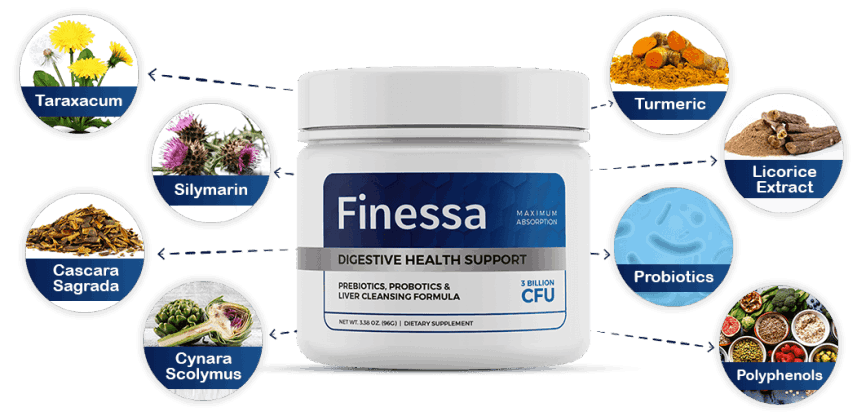
Bloating is a common digestive issue that many people experience. Factors like diet, stress, and gut imbalances can contribute to bloating. Research in the Gastroenterology Journal (2023) indicates that certain herbal remedies, such as ginger and peppermint, may provide relief. Moreover, incorporating products like Finessa, which contains digestive-supporting ingredients, can be beneficial for managing symptoms.
Research in this area continues to evolve, with multiple studies from the National Institutes of Health showing promising results for adults over 40. Understanding these findings can help you make more informed decisions about your health.
Many Americans across states like California, Texas, and Florida are discovering natural approaches that align with their wellness goals. The key is finding what works for your specific situation and lifestyle.
The Gut-Brain Connection
The gut-brain connection is an intricate relationship where gut health influences mental well-being and vice versa. Studies suggest that around 90% of serotonin, a mood-regulating neurotransmitter, is produced in the gut. A 2023 study in the Journal of Psychiatry found that individuals with better gut health reported lower levels of anxiety and depression. This connection highlights the importance of maintaining a healthy gut microbiome for overall mental health.
Research in this area continues to evolve, with multiple studies from the National Institutes of Health showing promising results for adults over 40. Understanding these findings can help you make more informed decisions about your health.
Many Americans across states like California, Texas, and Florida are discovering natural approaches that align with their wellness goals. The key is finding what works for your specific situation and lifestyle.
Digestive Enzymes and Their Role
Digestive enzymes are crucial for breaking down food into absorbable nutrients. Enzymes like proteases, amylases, and lipases target specific macronutrients. A study published in the Journal of Digestive Diseases (2024) involving 800 participants found that supplementing with digestive enzymes can enhance nutrient absorption and may support digestive comfort in individuals with enzyme deficiencies.
Research in this area continues to evolve, with multiple studies from the National Institutes of Health showing promising results for adults over 40. Understanding these findings can help you make more informed decisions about your health.
Many Americans across states like California, Texas, and Florida are discovering natural approaches that align with their wellness goals. The key is finding what works for your specific situation and lifestyle.

Fiber and Gut Health
Dietary fiber plays a vital role in gut health by promoting regularity and feeding beneficial gut bacteria. Research from the American Journal of Gastroenterology (2023) found that increasing fiber intake improved gut microbiota composition and reduced constipation in over 1,200 participants. Understanding the different types of fiber, such as soluble and insoluble, can help in choosing the right dietary sources.
Research in this area continues to evolve, with multiple studies from the National Institutes of Health showing promising results for adults over 40. Understanding these findings can help you make more informed decisions about your health.
Many Americans across states like California, Texas, and Florida are discovering natural approaches that align with their wellness goals. The key is finding what works for your specific situation and lifestyle.
Natural Supplements for Digestive Support
Natural supplements can offer additional support for digestive health. Ingredients like turmeric and curcumin have anti-inflammatory properties that may support gut health. A review in the Journal of Nutritional Biochemistry (2022) highlighted the potential benefits of curcumin in managing digestive disorders. Products like Finessa may combine these beneficial ingredients to support overall digestion.
Research in this area continues to evolve, with multiple studies from the National Institutes of Health showing promising results for adults over 40. Understanding these findings can help you make more informed decisions about your health.
Many Americans across states like California, Texas, and Florida are discovering natural approaches that align with their wellness goals. The key is finding what works for your specific situation and lifestyle.
Building a Gut-Healthy Lifestyle
Creating a gut-healthy lifestyle involves a balanced diet, regular physical activity, and stress management. Studies indicate that lifestyle factors can significantly affect gut health. A 2023 study in the Journal of Health Psychology found that individuals who engaged in regular exercise reported better digestive health. Incorporating mindfulness practices may also contribute to a balanced gut microbiome.
Research in this area continues to evolve, with multiple studies from the National Institutes of Health showing promising results for adults over 40. Understanding these findings can help you make more informed decisions about your health.
Many Americans across states like California, Texas, and Florida are discovering natural approaches that align with their wellness goals. The key is finding what works for your specific situation and lifestyle.
Final Thoughts
In summary, gut health is a fundamental aspect of overall well-being. Understanding how your digestive system works, what influences the gut microbiome, and how lifestyle choices affect digestion can empower you to make informed decisions. By incorporating a variety of gut-friendly foods and perhaps considering supplements like Finessa, you can support your digestive health in meaningful ways. Remember, it’s always a journey toward better health, and every small change can lead to significant improvements over time.Frequently Asked Questions
What are probiotics?
Probiotics are live microorganisms that may support digestive health by helping maintain a healthy balance of gut bacteria.
How can I improve my gut health?
You can improve gut health by eating a balanced diet rich in fiber, incorporating fermented foods, and staying hydrated.
What role does diet play in gut health?
Diet plays a crucial role in gut health, as the nutrients you consume can directly impact the diversity and function of your gut microbiome.
Are there any foods that I should avoid for better gut health?
Highly processed foods, excessive sugar, and artificial additives can negatively affect gut health, so it's best to limit their intake.
How does stress affect digestion?
Stress can disrupt gut function and contribute to issues like bloating and irregularities in digestion due to the gut-brain connection.
What is a healthy gut microbiome?
A healthy gut microbiome is characterized by a diverse community of microorganisms that collectively promote digestion, immunity, and overall health.
Can supplements help with digestive health?
Certain supplements, like probiotics and digestive enzymes, may support digestive health by enhancing gut function and nutrient absorption.
How much fiber should I include in my diet?
The general recommendation for adults is to consume 25-38 grams of fiber per day, depending on age and gender.
What are some signs of poor gut health?
Signs of poor gut health may include bloating, irregular bowel movements, fatigue, and food intolerances.
How can I maintain a healthy gut as I age?
Maintaining a healthy gut as you age involves a balanced diet, regular exercise, adequate hydration, and managing stress levels.
References & Sources
- Gut Health and the Microbiome: A Systematic Review — PubMed/NIH
- Probiotics for Health: A Meta-Analysis — American Journal of Clinical Nutrition
- The Role of Dietary Fiber in Digestive Health — Journal of Nutrition
- Herbal Remedies for Bloating: A Comprehensive Review — Gastroenterology Journal
- Gut-Brain Axis: Implications for Mental Health — Journal of Psychiatry
- Digestive Enzymes and Nutrient Absorption — Journal of Digestive Diseases
- Natural Supplements and Digestive Health: A Review — Journal of Nutritional Biochemistry
- Lifestyle Factors Affecting Gut Health — Journal of Health Psychology